Arts & Culture
52nd Celebration of BC Day

Published 3:45 PDT, Thu July 30, 2026


-
As the first Monday of August rolls around,
British Columbians across the province
prepare to celebrate BC Day, August 3rd, 2026, a statutory holiday dedicated to honouring the
rich history, diverse culture, and pioneering
spirit that defines our stunning western prov-
ince. More than just a long weekend, BC Day
offers a chance to reflect on the remarkable
journey that has shaped British Columbia into
the vibrant place it is today.
The origins of BC Day trace back to 1974 when
Surrey MLA Ernie Hall proposed a provincial
holiday to recognize the contributions of those
who built British Columbia. The idea was warm-
ly received, and the British Columbia Day Act
was passed, officially establishing the holiday.
This timing also aligns with the historic declara-
tion of the Crown Colony of British Columbia by
the Westminster Parliament on August 2, 1858.
Before the arrival of European explorers, the
lands now known as British Columbia were home
to a multitude of Indigenous peoples, whose
presence dates back tens of thousands of years.
The First Nations, with their rich and varied cul-
tures, languages, and traditions, thrived on the
abundant natural resources of the region.
European contact began in the late 18th centu-
ry, with Spanish explorers like Juan Pérez and
Bodega y Quadra making documented voyages
along the coast. In 1778, Captain James Cook
arrived at Nootka Sound on Vancouver Island,
initiating trade relations with the Nuu-chah-
nulth tribe and paving the way for British claims
in the region. The Hudson's Bay Company fur-
ther solidified British presence in the 19th cen-
tury by establishing fur trading posts.
However, it was the allure of gold that truly trans-
formed British Columbia. The Fraser Canyon
Gold Rush in 1858 and the subsequent Cariboo
Gold Rush in 1862 brought tens of thousands of
prospectors and settlers, leading to a dramatic
population boom and the formal establishment
of the Colony of British Columbia. This period
was marked by rapid development, challenging
journeys, and the forging of new communities.
In 1871, British Columbia joined the Canadi-
an Confederation, a crucial step that led to
the promise of a transcontinental railway. The
completion of the Canadian Pacific Railway in
1885, a monumental feat of engineering often
carried out by Chinese and Japanese labourers in treacherous terrain, finally connected British Columbia to Eastern Canada, facilitating trade,
settlement, and further growth.
Today, British Columbia stands as a testament
to this diverse and dynamic history. It boasts
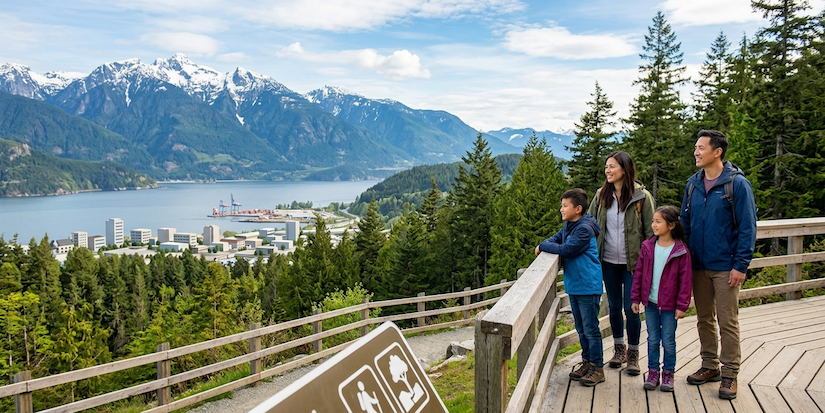
an unparalleled natural landscape, from the
rugged Pacific coastline with its thousands
of islands to the majestic peaks of the Rocky
Mountains, lush temperate rainforests like the
Great Bear, and even some interior plateaus.
This geographical diversity is matched by its
cultural mosaic, Indigenous influences, British
colonial past, and new waves of immigration
from around the world.
-
Vancouver Island is the largest island on the west coast of North America, almost half the size of Ireland.
-
The Great Bear Rainforest is the largest coastal temperate rainforest in the world and the only place on the planet where you can find the Kermode (Spirit) bear, a subspecies of black bear with white fur.
-
Victoria holds the title of "Cycling Capital of Canada," with more cyclists per capita than any other city in the country.
-
In 1947, a group of 200 kids in British Columbia famously marched and protested on the capital building after the price of a chocolate bar increased from 5 cents to 8 cents, reportedly shutting down the government for a day.
-
British Columbia is home to the world's largest hockey stick (Duncan, BC), the world's largest fly-fishing rod (Houston, BC), and the world's largest tin soldier (New Westminster, BC).
-
BC has over 40,000 Islands
-
BC has the largest proportion of Asians per capita of any North American city.
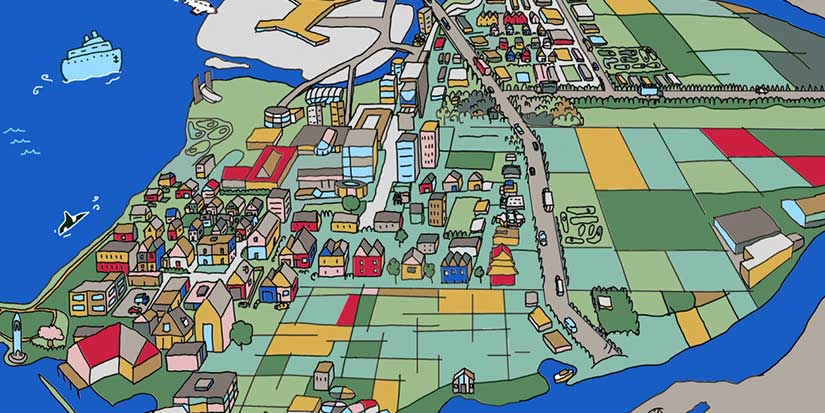
Richmond, British Columbia, boasts a rich his-
tory deeply intertwined with its geography as a
collection of islands in the Fraser River delta. For
millennia, the area was home to the Coast Sal-
ish people, who utilized its abundant resources
for fishing and natural resources. European set-
tlement began in the mid-19th century, with the
first farms established in the 1860s. The fertile
delta lands were ideal for agriculture, particu-
larly cranberries and dairy, attracting a diverse
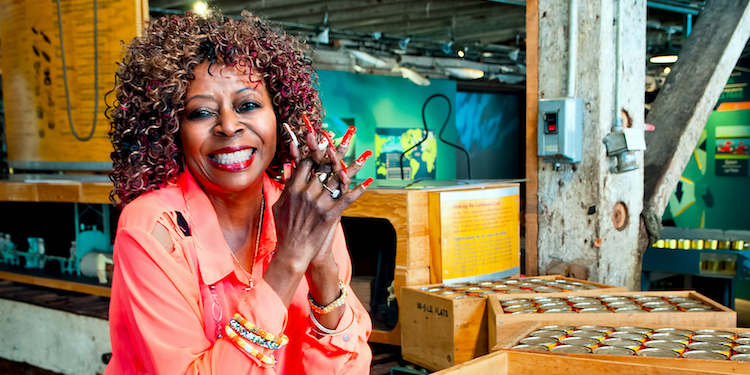
population of settlers. The fishing industry also
boomed, with canneries dotting the waterfront
and processing the salmon from the Fraser.
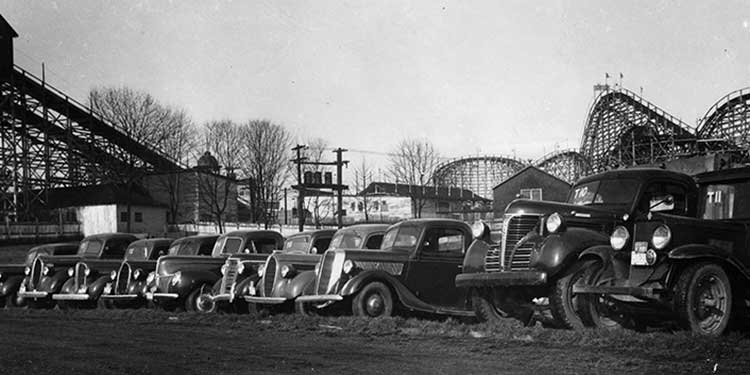
The late 19th and early 20th centuries saw the
development of vital infrastructure, including
dykes to protect against flooding and a railway
system connecting Richmond to Vancouver.
Steveston, originally a cannery town, emerged
as a bustling port and remains a vibrant histor-
ic village today. Post-World War II, Richmond
experienced significant growth, transforming
from a predominantly rural community into a
thriving suburban city, fueled by immigration
and its strategic location near YVR. This expan-
sion has led to a dynamic multicultural city that
still honors its agricultural and fishing roots
while embracing modern development.
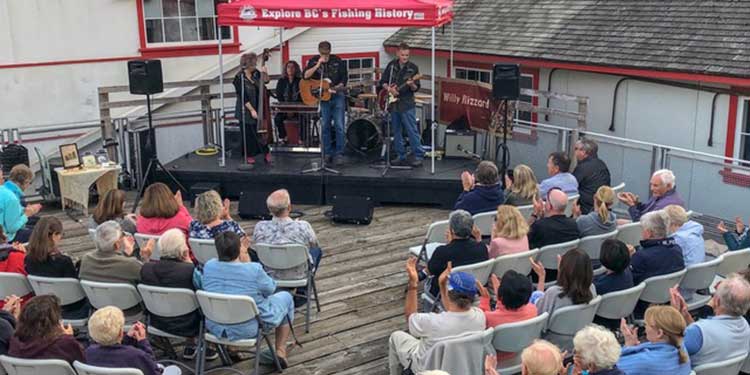
As residents gather for community festivals,
outdoor adventures, or quiet reflection with
family and friends, BC Day serves as a powerful
reminder of the province's incredible journey.
It's a day to appreciate the pioneering spirit
that built this land, the diverse cultures that
enrich it, and the breathtaking natural beauty
that continues to inspire. Happy BC Day!

















































.jpg)

.jpg)











































-825x413.jpg)









2 Hours of free financial consulting
Jai Xin Planning Ltd.
C$120.00 C$0.00

Use any of our home staging service and get a second month rental for free!
MiiX Interiors
C$500.00 C$0.00

Get 10% off any order
Phantom Screens Lower Mainland
C$200.00 C$180.00